
This article provides general market information for educational purposes only. It does not constitute legal, financial, or real estate advice specific to your property. Speak with a licensed real estate professional before making any selling decisions.
Quick Answer: Selling in Brampton in 2026 can still make sense if your price is based on today’s comparable sales and you are also buying in the same market. Prices are below the 2022 peak, but buyers are still active, and move-up sellers often benefit by selling lower and buying lower at the same time.
A Real Brampton Seller Scenario
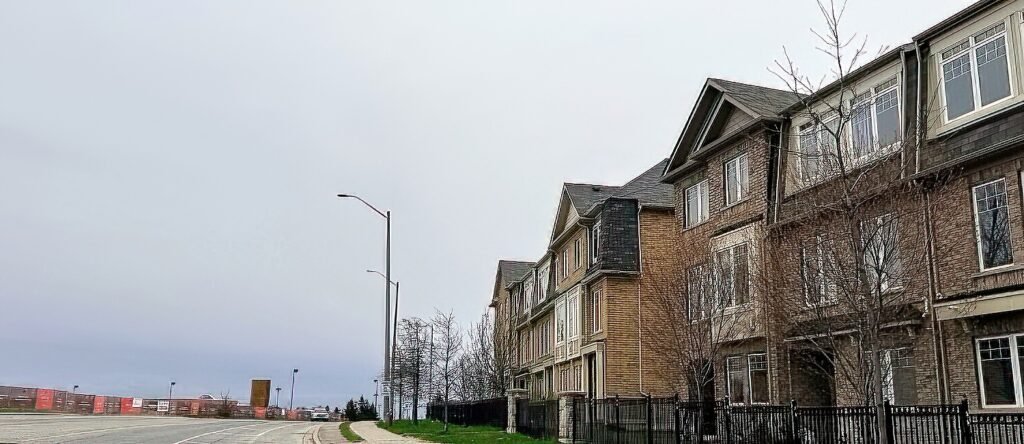
A past client I had helped buy a freehold townhouse near Bramalea City Centre came back recently. He bought when Brampton prices were a fraction of what they became at the 2022 peak, held the property, built real equity, and now he is ready to move up to something bigger. The townhouse backs onto a park, and he had real questions: what was I going to list it for, how long would it take to sell, and did I think the park was worth anything.
The price was the real concern. He had a number in mind, and it was higher than what the April 2026 market supports. That is understandable. He has watched Brampton prices run up significantly since he bought, and even with the correction from the 2022 peak, he is sitting on meaningful equity. But the number he wanted to list at was still ahead of where comparable properties are actually selling right now.
Here is what I told him, and here is what I tell every seller who sits across from me with the same concern. The real question is not what your home is worth compared to 2022. The question is: if you sell at today’s price and buy at today’s price, does the move-up math still work? In most Brampton move-up scenarios right now, the answer is yes. The rest of this article shows you why.
What the April 2026 Brampton Market Data Shows
According to the TRREB April 2026 Market Watch, the average selling price across all home types in Brampton was $885,936. For attached and row townhouses specifically, the Brampton average was $767,488. The GTA-wide average sat at $1,051,969, meaning Brampton remains one of the more accessible markets in the region even in a softened environment.
Year-over-year, GTA prices are down 4.9% from April 2025. That number sounds significant, but it needs context. The GTA average peaked at $1,193,766 in 2022, according to TRREB Historic Statistics. The correction from that peak has been gradual and is now showing signs of stabilizing, with month-over-month prices edging up on a seasonally adjusted basis in April 2026.
What does that mean for a Brampton townhouse seller? Buyers exist and are active. Brampton saw 516 sales in April 2026 across all home types. But buyers have options and are taking their time. The average listing days on market in Brampton was 34 days, with average property days on market at 48. The sale-to-list ratio was 97%, meaning homes are selling close to but not above asking when priced correctly.
The market is not broken. It is measured. That is a different conversation than 2022, but it is not a bad one if you go in with the right expectations.
| Metric | Brampton April 2026 | GTA April 2026 |
|---|---|---|
| Average Price (All Types) | $885,936 | $1,051,969 |
| Townhouse Average | $767,488 | $939,197 |
| Avg. Listing Days on Market | 34 days | 29 days |
| Avg. Property Days on Market | 48 days | 43 days |
| Sale-to-List Ratio | 97% | 98% |
| Months of Inventory (Trend) | 5.4 months | 4.9 months |
Source: Toronto Regional Real Estate Board, Market Watch April 2026, released May 5, 2026. All figures verified May 9, 2026.
Key Market Facts: Brampton April 2026
- Brampton average price all home types: $885,936
- Brampton attached/row townhouse average: $767,488
- GTA average price: $1,051,969
- GTA year-over-year price change: down 4.9%
- Brampton average listing days on market: 34 days
- Brampton sale-to-list ratio: 97%
- Brampton months of inventory (trend): 5.4 months
- Seller takeaway: Price to current comparable sales, not 2022 expectations
Why Chasing 2022 Prices Can Cost Sellers More
He had a price in his head. It was reasonable for 2022. It was optimistic for May 2026. This is the most common pricing challenge I see with Brampton sellers right now, and in his case it is completely understandable. He bought years ago when prices were lower, watched values climb significantly, and naturally formed an expectation around the peak. The correction since 2022 feels like a loss from that vantage point even when the equity position over the full hold period is still strong.
But here is what overpricing actually costs in a market like this. At a 97% sale-to-list ratio and 34 listing days on average, a correctly priced Brampton townhouse is moving. An overpriced one sits. And every week it sits, buyers start asking why. The longer a listing stays active, the more negotiating leverage shifts to the buyer. A seller who holds firm at an inflated number for six weeks and then drops often ends up below where they would have landed if they had priced correctly on day one.
As I told this seller: the goal is not to leave money on the table. The goal is to price where the market is, not where it was, and then work hard on both sides of the transaction to protect your net position.
Why the Move-Up Buyer Math Still Works
He wanted to move up to a larger detached home. He was worried that selling his townhouse at today’s market price would leave him short. But here is what changes the picture when you bought years ago and held through the cycle.
Yes, his townhouse is worth less than it was in 2022. But the detached home he wants to buy is also worth less than it was in 2022. The correction has happened across the board. He is not selling in a down market and buying in a normal one. He is selling and buying in the same market at the same time.
In many move-up scenarios, the dollar gap actually works in the seller’s favour. A 5% correction on a $850,000 townhouse is roughly $42,500. A 5% correction on a $1,300,000 detached home is roughly $65,000. The buyer of the larger home benefits proportionally more from the correction than the seller of the smaller one loses.
| Scenario | 2022 Peak Example | 2026 Example | Difference |
|---|---|---|---|
| Townhouse sold | $900,000 | $850,000 | -$50,000 vs peak |
| Detached bought | $1,400,000 | $1,300,000 | -$100,000 vs peak |
| Net move-up effect | $50,000 better buying power |
Rounded illustrative example based on peak-to-current corrections. Actual figures vary by property, location, and timing. Not a price guarantee.
That is not a guarantee. Every transaction is specific. But it is the honest math that most sellers are not running when they anchor to a 2021 price and decide to wait.
What a Park-Backing Lot Actually Adds
When the seller asked me about the park, he was really asking: is this feature worth something real, or is it just nice to have?
The honest answer is that it depends on how it is presented and to whom. A park-backing freehold townhouse in Brampton has genuine appeal to specific buyer profiles. Families with young children value the immediate outdoor access and the absence of a rear neighbour. Buyers coming from a condo background appreciate the privacy. Buyers who have been looking at townhouses with neighbouring properties directly behind them notice the difference immediately.
The park is not just a feature. It is a buyer-filter. The right buyer sees privacy, space, and no rear neighbour. The wrong buyer simply sees a backyard view. The value shows up in the sale price when the feature reaches the buyers who care about it most.
For a property like this, I would not simply note “backs onto park” in the listing remarks. The photo order matters: backyard-to-park perspective shots come early in the sequence, before interior photos, so buyers see the defining feature before they see anything else. The listing copy leads with no rear neighbour and private outdoor access rather than generic park view language. And the digital promotion targets the search filters that families and condo-move-up buyers actually use when privacy and green space are on their list. The right buyer paying the right price for this feature is not luck. It is the result of making sure the right buyer finds the listing before anyone else does.
What Selling Well in This Market Actually Requires
The risk is not that Brampton is a bad market to sell in right now. The risk is treating it like the 2022 market and getting surprised when buyers do not respond the way they did then.
Here is what I committed to for this seller, and what I commit to for every Brampton seller I work with right now. Maximum marketing effort on the sell side: professional photography, proper staging guidance, targeted digital promotion, and a pricing strategy based on what comparable properties have actually sold for in the last 30 to 60 days, not what they were listed at. And hard negotiation on the buy side when the time comes, so the savings available in this market come back to them on the purchase.
That combination, a well-marketed sell and a well-negotiated buy, is what puts more money in a seller’s pocket at the end of the transaction in a market like this. Not waiting for a price that may not come back.
“I told him: we are going to make sure your townhouse shows its best, we are going to price it where buyers are actually looking, and when you find your next home, I am going to negotiate just as hard on that side. That is how we protect your position in this market.”
What This Means for You
If you are a Brampton homeowner thinking about selling in 2026, here is the practical next step. Pull three comparable townhouse sales in your area from the last 60 days and look at what they actually sold for, not what they were listed at. Then map your purchase budget to what detached homes in your target area are selling for right now. Run both numbers side by side. That comparison will tell you more about whether now is the right time to move than any headline number will. If the math works on both sides, waiting is not protecting you. It is just delaying the move.
Key Takeaways
- The average Brampton home sold for $885,936 in April 2026. Attached and row townhouses averaged $767,488. Both are below the 2022 peak but buyers are active.
- Correctly priced Brampton homes are selling in around 34 days at 97% of asking. Overpriced homes sit and lose negotiating leverage over time.
- Move-up sellers are selling lower and buying lower in the same market. The dollar correction often favours the larger purchase.
- A park-backing lot adds real value when marketed to the right buyers. It is a buyer-filter, not just a feature.
- Strong marketing on the sell side and hard negotiation on the buy side protects your net position more than waiting for a price that may not return.
Bottom Line
Brampton is not a broken market. It is a measured one. Sellers who go in with a realistic price, a strong marketing plan, and a clear view of both sides of their transaction are making moves right now. Sellers who anchor to 2022 and wait are extending their timelines and often ending up in a worse position than if they had priced correctly from the start.
The past client who came back to me agreed to price at market. Not because he gave up on getting a fair result, but because he saw the full picture. He built real equity over a long hold. He is selling at today’s price and buying at today’s price. And we are going to market the townhouse hard and negotiate the purchase hard to protect his net position on both sides.
That is the conversation worth having before you decide whether to list.
Frequently Asked Questions
Is now a good time to sell a home in Brampton?
It depends on your situation and your next step. The April 2026 market shows buyers are active, but they have options. Correctly priced homes are selling in around 34 days at 97% of asking. If you are also buying in the same market, the move-up math often works in your favour. The question is not just whether the market is good for sellers. It is whether your specific property, your price, and your next purchase line up with what the market is doing right now.
How long does it take to sell a house in Brampton right now?
Based on TRREB April 2026 data, the average listing days on market in Brampton was 34 days, and average property days on market was 48 days. These are averages across all home types. Correctly priced, well-presented homes can sell faster. Overpriced listings extend those timelines significantly and typically result in lower final prices.
Do I have to drop my price just because the market has softened?
Not necessarily. The question is what your property is worth based on comparable sales in the last 30 to 60 days, not what similar homes sold for in 2021 or 2022. Listing significantly above recent comparable sales does not recover the difference. It extends your days on market and shifts negotiating power to buyers.
Does backing onto a park add value to a Brampton townhouse?
Yes, when marketed correctly. A park-backing lot offers privacy, no rear neighbours, and outdoor access that most freehold townhouses in Brampton cannot offer. That is a genuine differentiator for specific buyer profiles, particularly families and buyers moving up from condos. The value shows up in the sale price when the feature is properly presented to buyers who care about it.
I want to sell and buy something bigger. Does this market work for that?
In many cases, yes. When you sell and buy in the same market, both sides of the transaction reflect the same conditions. A correction on a townhouse sale is partially offset by a proportionally larger correction on a detached purchase. The move-up buyer often benefits more on the buy side than they lose on the sell side. Every transaction is specific, but the math is worth running before you decide to wait.
What should I do before listing my Brampton home?
Three things, in this order. First, pull comparable sales from the last 30 to 60 days in your specific area and understand what homes actually sold for, not what they were listed at. Second, map both sides of your transaction: what your home is likely worth today and what your next purchase looks like at current prices. Third, get a clear marketing plan in place before you list, including photography, staging guidance, and a digital promotion strategy that reaches the buyers who care most about your property’s specific features.
Want a Brampton Move-Up Math Review?
You now know what April 2026 Brampton prices look like, why correctly priced homes are moving at 97% of asking in 34 days, and why the move-up math often favours the seller of the smaller property. The one thing you do not have yet is your specific number: what your property is likely worth today, how long it will realistically take, and what the buy side of your move looks like in real terms right now. That is the 15-minute conversation.
In a free Brampton Move-Up Math Review, I will compare your likely sale price against current comparable sales, show you what your next purchase range looks like at today’s prices, and walk through the real net difference before you decide whether to list. No obligation. Just clarity on your numbers.
Book Your Brampton Move-Up Math Review
Gaurang Shah, REALTOR® | Royal LePage Flower City Realty
647-892-2411 · mail@myshahteam.com · www.myshahteam.com
Consultations are available in English, Hindi, Gujarati, Marathi, and Punjabi.
References
- Toronto Regional Real Estate Board. Market Watch, April 2026. Released May 5, 2026. All Brampton and GTA sales, price, and inventory data: trreb.ca
- Toronto Regional Real Estate Board. Historic Statistics. Annual TRREB MLS Sales and Average Price 1980 to 2025. GTA 2022 average price reference: trreb.ca/files/market-stats/market-watch/historic.pdf